
Our workThe Environment Agency / Creating a shared narrative
When thousands of people are working across hundreds of different places and disciplines, a shared story matters.
It gives people a clearer understanding of the organisation they’re part of, the role their work plays and the direction they’re heading in together. And externally, it helps partners, communities and the public understand what that organisation is there to do.
For the Environment Agency, that challenge is particularly significant.
The Agency’s remit is huge. Its people protect communities from flooding, regulate industry, respond to environmental incidents, improve rivers and restore habitats across England. Much of that work happens quietly, while the moments that attract the greatest attention can understandably be those when something has gone wrong.
The result was an organisation doing important work across the country without a sufficiently clear, shared story connecting it all.
Storycatchers was asked to help the Environment Agency find that story – creating a stronger sense of shared purpose and direction internally, and a clearer foundation for how it communicates its role and ambitions to the outside world.
Unearthing the story
We started by listening. Our discovery took us across the Environment Agency and across the country. We spoke to colleagues with different roles and perspectives from across the organisation.
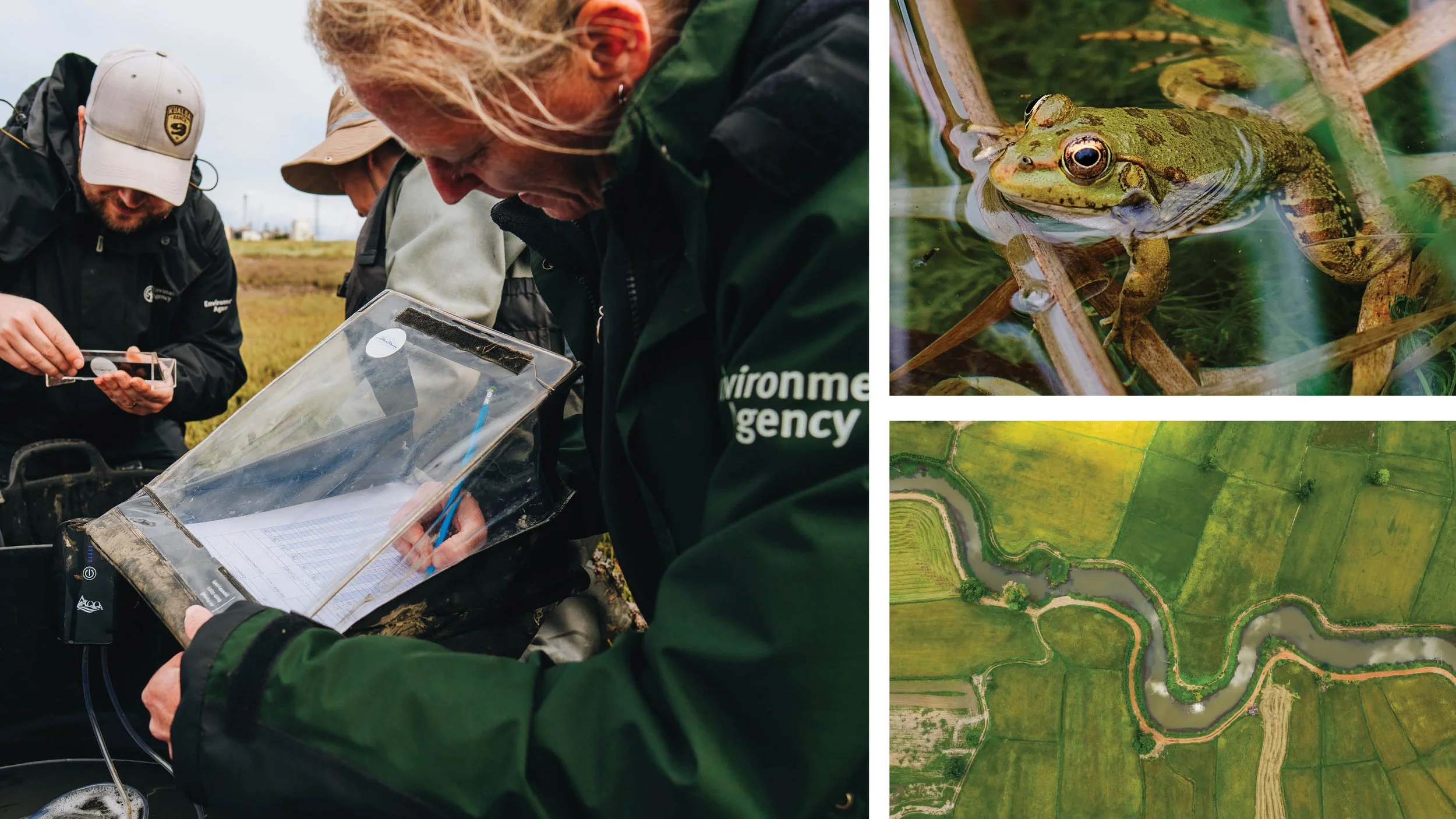
Visiting Environment Agency sites and projects gave us the opportunity to see the work first-hand, meet the people delivering it and understand the difference it makes to communities and the natural world.
And once we’d finished our discovery, we began working with the client team – at workshops at our offices and online sessions – to distil the thinking into a common thread.
A national guardian – for communities and nature
For all the scale and complexity of its remit, there is a remarkably simple idea at the heart of the Environment Agency’s work: protecting the places people and nature depend on.
That led us towards a ‘guardian’ positioning – an organisation that is there for the long term, protecting communities and nature today while helping make them more resilient for the future.
And it gave us a simple expression of that role:
For homes and habitats.
Bringing the narrative to life
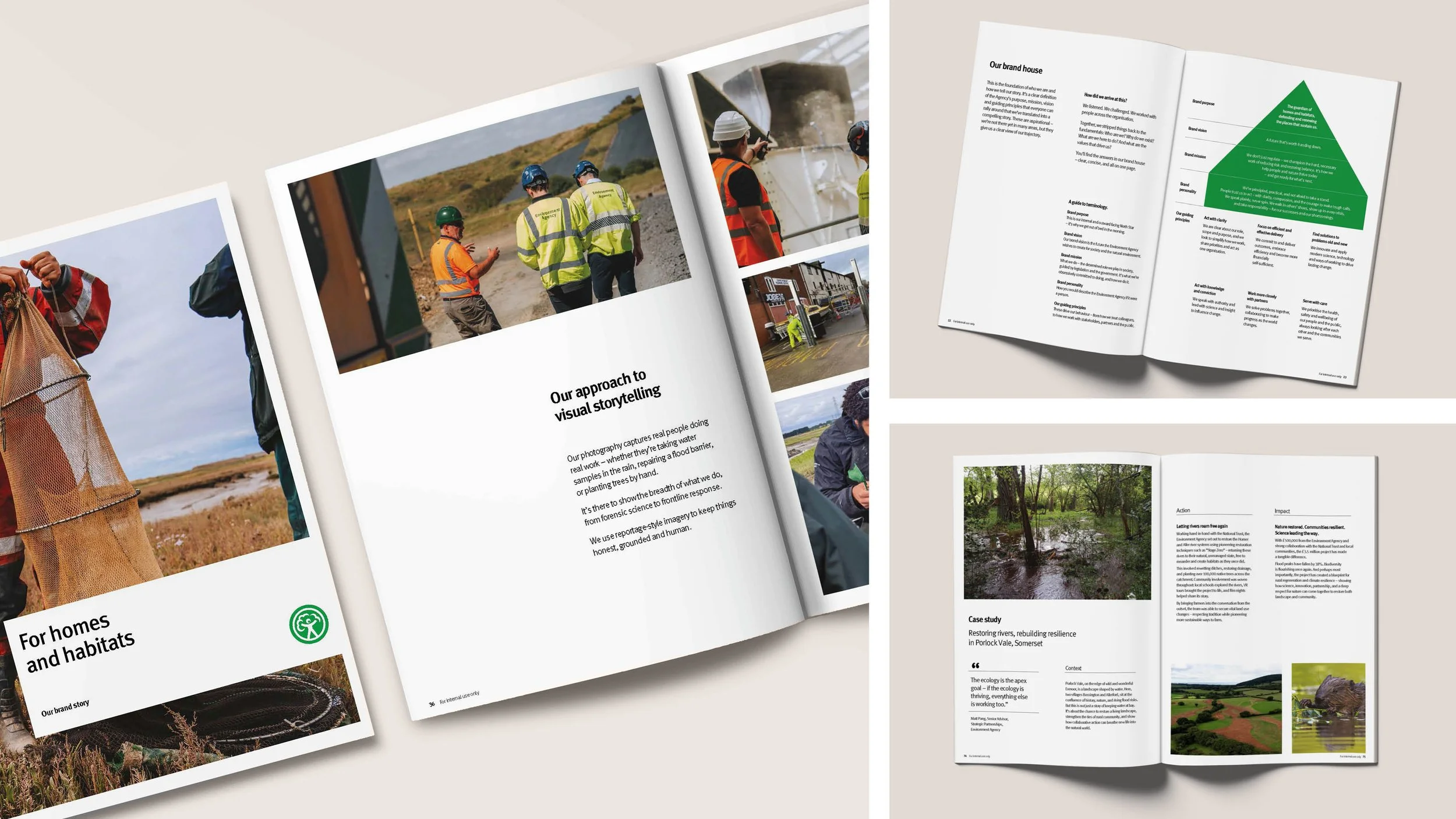
A narrative only has value if people can use it. So our next step was to turn the thinking into practical tools that could help colleagues connect their work to the Environment Agency’s wider purpose and communicate it with greater clarity and consistency. Our starting point was a practical writing toolkit, designed to help people across the organisation write like the Environment Agency – giving different voices and specialisms a shared foundation without making them all sound the same.
The toolkit is designed to work across the many ways the Environment Agency communicates, including:
Internal communications – helping colleagues understand and talk about the Environment Agency’s purpose and the part their work plays in it.
Media and social media – creating a more confident, consistent voice when responding to events or proactively shaping the story.
Stakeholder and partner communications – giving teams a clear, shared way to explain our role, priorities and approach to the organisations we work alongside.
Reports, briefings and corporate communications – bringing greater clarity and consistency to formal communications without losing the detail or authority they require.
Events, presentations and speeches – providing a consistent narrative that colleagues and leaders can draw on when representing the Environment Agency.
Capturing the story on film and imagery
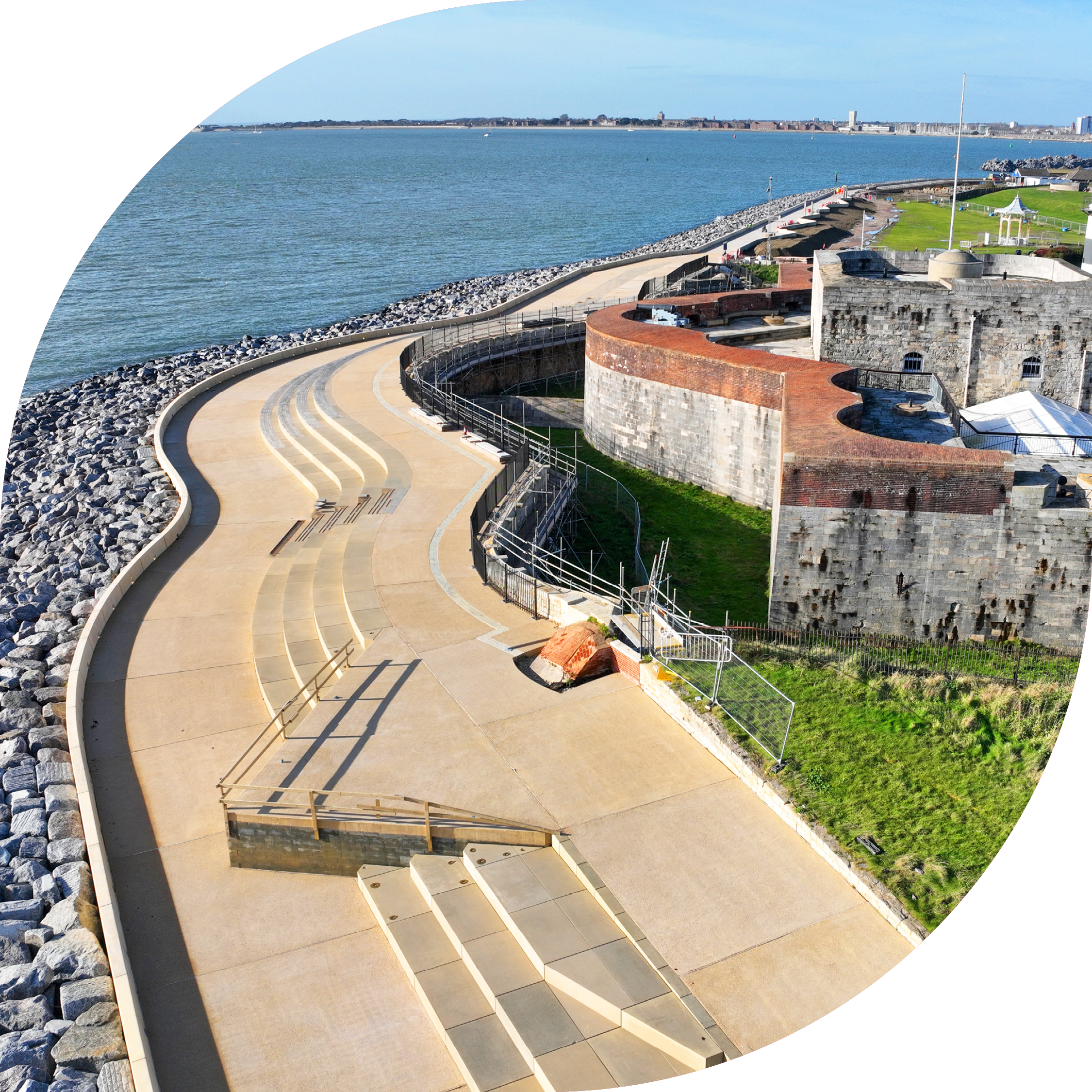
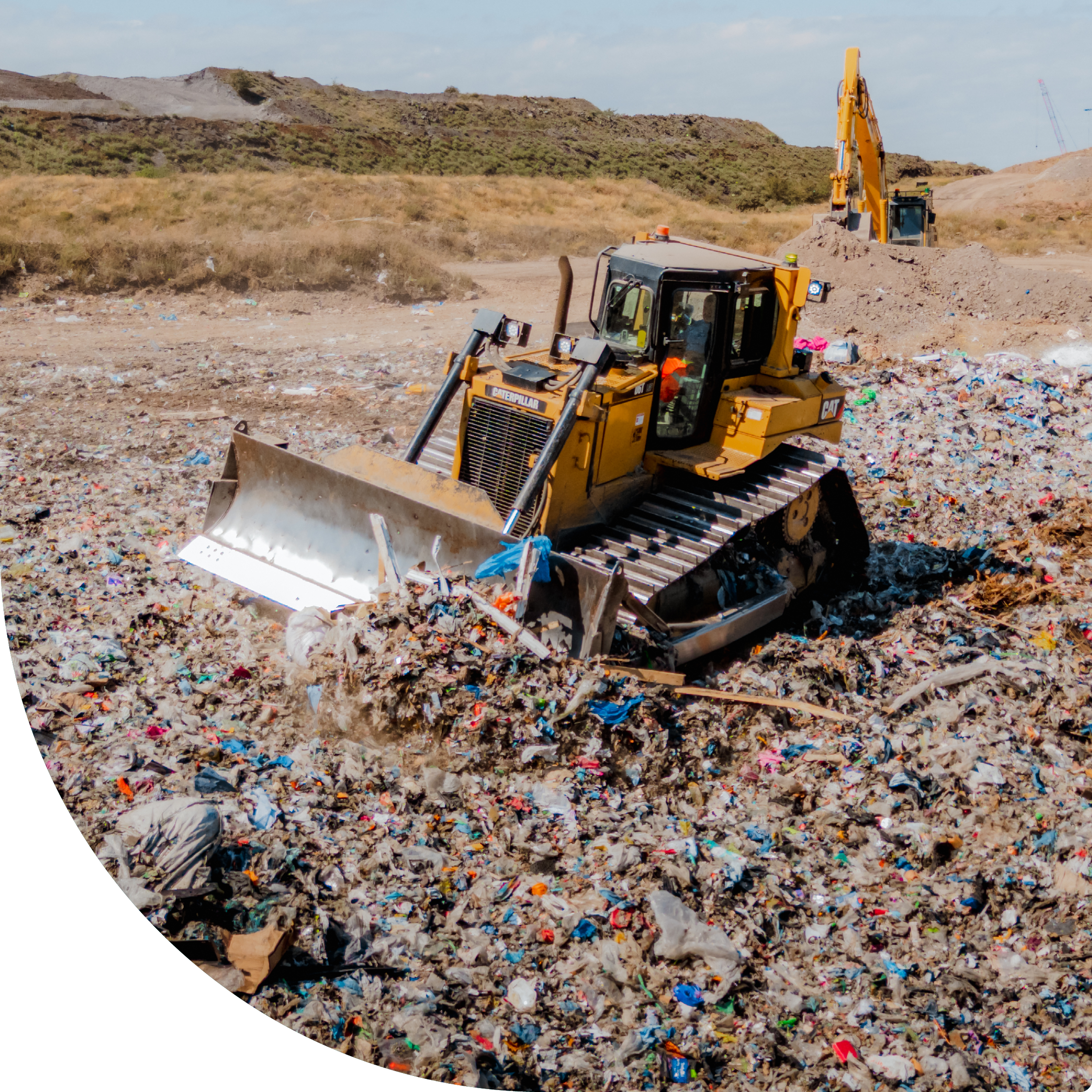
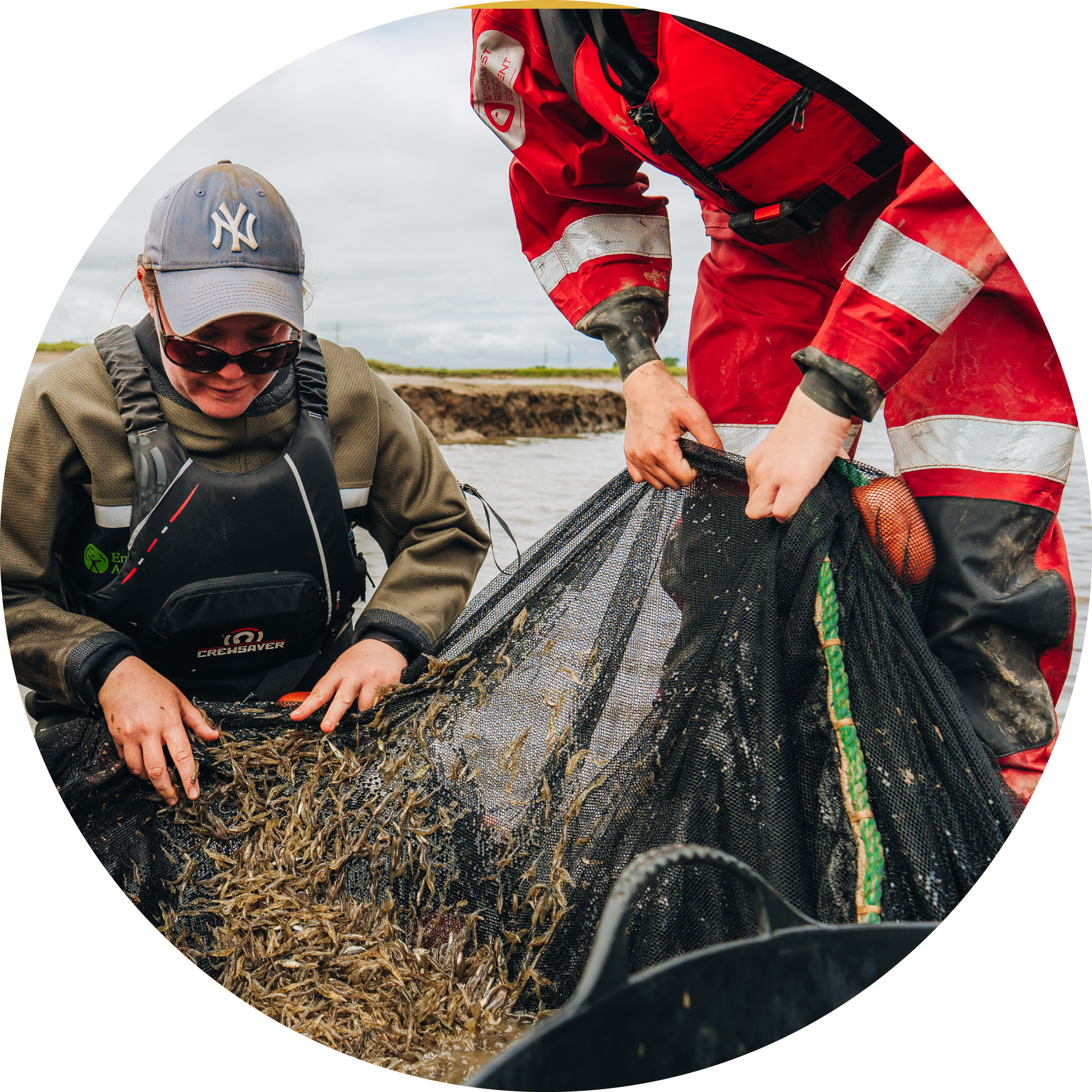
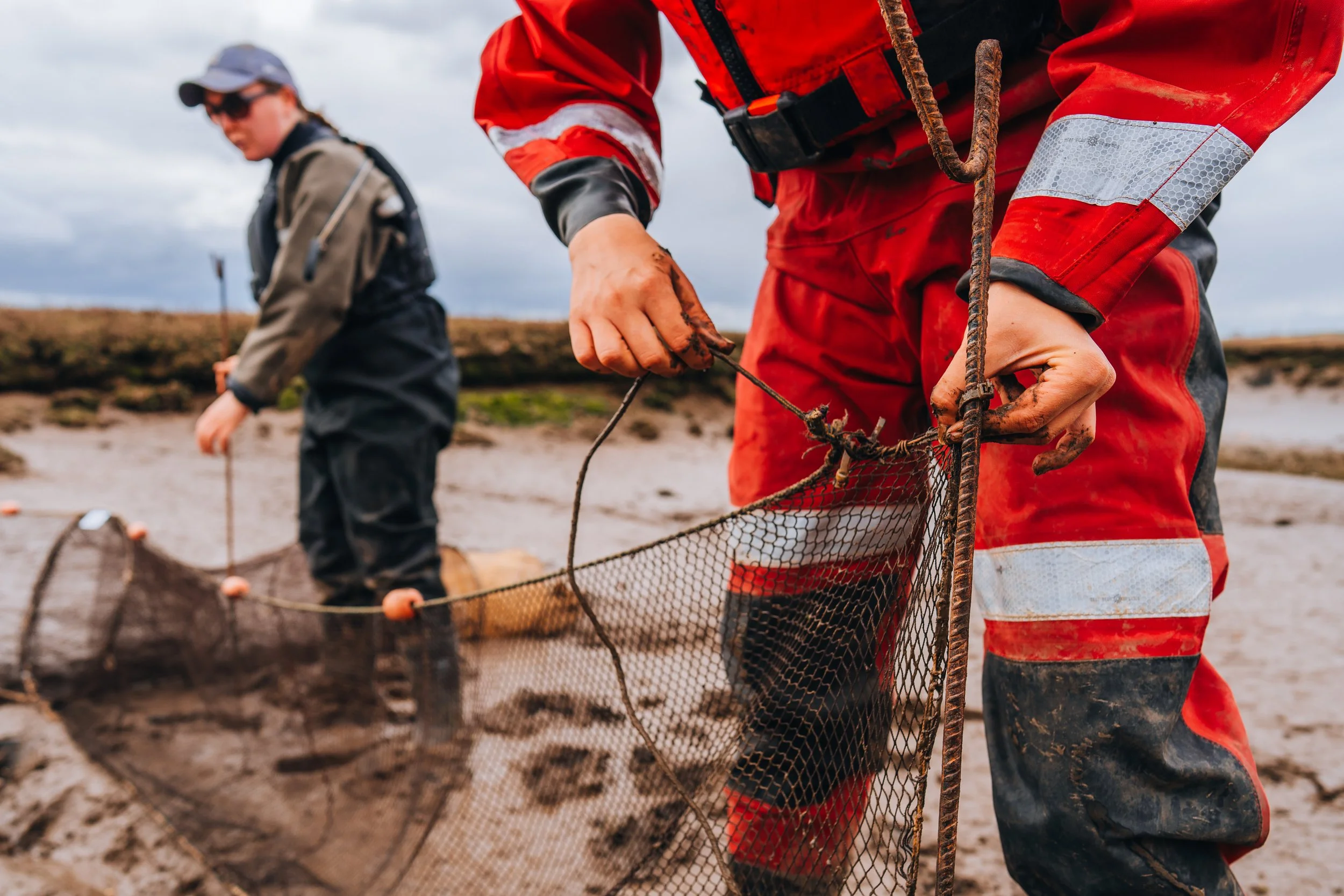
We then brought the narrative to life through the real people, places and projects behind the Environment Agency’s work. We developed a series of case studies showing what its role means in practice, supported by a new library of photography capturing colleagues at work in communities and landscapes across England. Alongside these, we produced a narrative film, shot in locations across the country, voiced by a long-serving member of the Agency’s rivers team. And to help align new photography with the spirit of the new narrative, we created a photography field guide showing how to capture all aspects of the Agency’s work in a compelling and consistent way. This suite of assets shows the extraordinary breadth of the Environment Agency’s work while making the common purpose connecting it more visible.
The narrative is also informing public-facing communications, helping the Environment Agency establish a clearer role as an organisation working to protect communities and nature.
One story, many applications
The Environment Agency will always be a complex organisation. The environmental challenges it deals with are interconnected and technically demanding. The purpose of the narrative isn’t to simplify that work. It’s to make its significance and value easier to understand.
It gives individual projects and achievements a bigger story to belong to. It helps colleagues see how their work is contributing to a shared direction. And crucially, it gives the public a clearer understanding of why the Environment Agency is there, the difference its work makes and the value it delivers from the trust and investment placed in it.